
BEST DEALER WATER METER
1. Mechanical Water Meters
Single-Jet Meters: Ideal for residential use; they measure water flow with a single jet impacting a rotor.
Multi-Jet Meters: More accurate for varying flow rates; they use multiple jets to measure water flow.
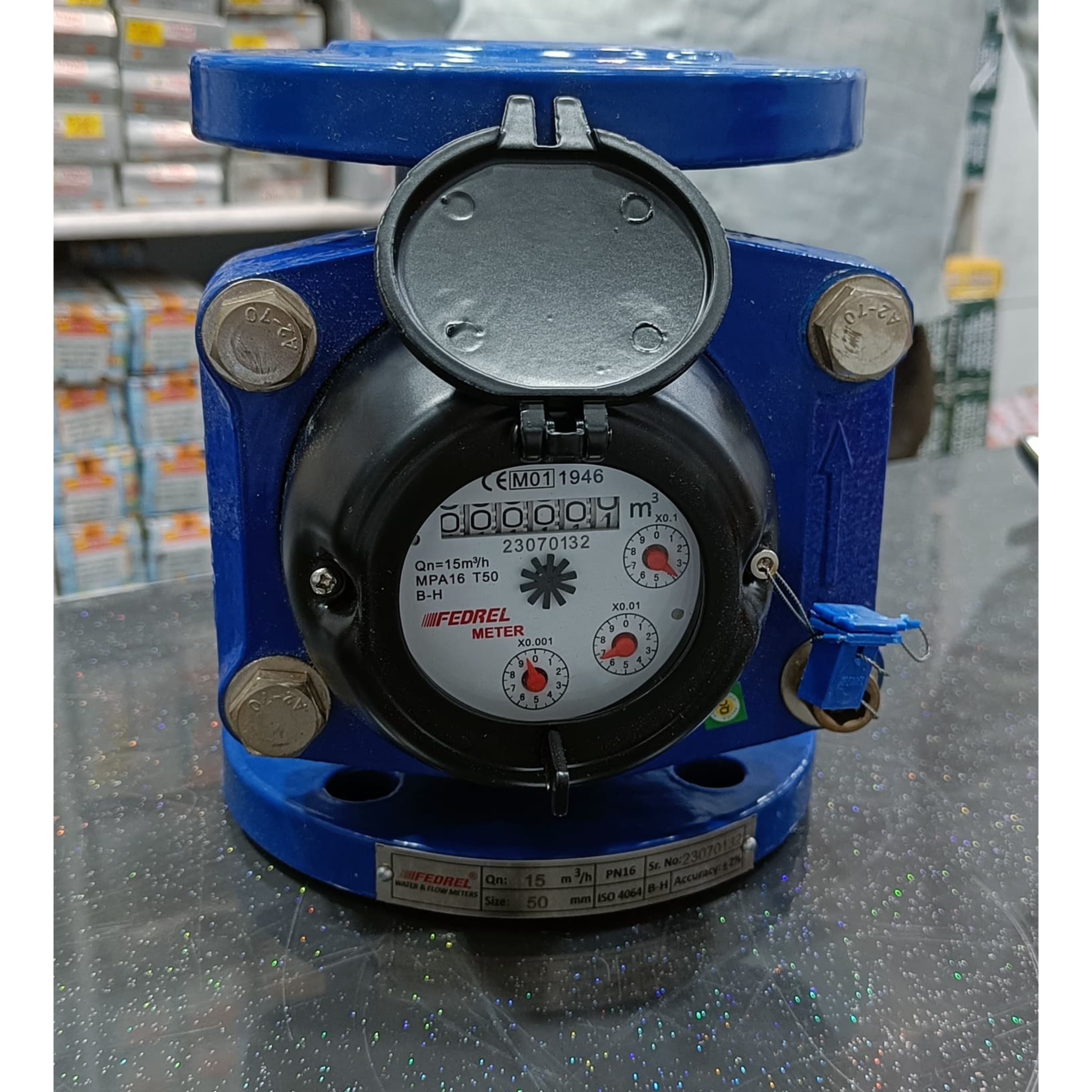
Woltmann Meters: Designed for larger volumes and higher flow rates; often used in commercial or industrial settings.
2. Electromagnetic Water Meters
Electromagnetic (Mag) Meters: Utilize Faraday's Law of Induction to measure flow; highly accurate and suitable for various applications, including wastewater and aggressive fluids.
3. Ultrasonic Water Meters
Transit-Time Ultrasonic Meters: Measure flow by timing how long it takes ultrasonic pulses to travel through the water; suitable for a range of applications, including potable and industrial water.
Doppler Ultrasonic Meters: Measure flow by analyzing the change in frequency of ultrasonic waves reflected by particles in the water.
4. Smart Water Meters
AMR (Automatic Meter Reading): These meters can automatically collect and transmit water usage data for remote reading.
AMI (Advanced Metering Infrastructure): An advanced version of AMR that allows for two-way communication between the meter and the utility provider.
5. Digital Water Meters
Static Meters: Use sensors and electronics to measure water flow, often with digital displays and communication capabilities.
6. Prepaid Water Meters
Prepaid Systems: Allow users to pay for water in advance; commonly used in places where water conservation is a concern.
7. Combination Meters
Hybrid Meters: Combine different measurement technologies to provide a comprehensive view of water usage.
The choice of water meter depends on factors such as the required accuracy, flow rate, application type (residential, commercial, industrial), and the need for advanced features like remote reading. If you have a specific application or requirement in mind, I can help narrow down the options further!
You said:
ALL WATER METER AVAILABLE RELATED CONTENT 500 WORDS
ChatGPT said:
ChatGPT
Water meters are essential devices used to measure the volume of water consumed or supplied in various settings, from residential homes to large industrial facilities. Understanding the different types of water meters and their applications can help in selecting the right meter for specific needs. Here’s a comprehensive overview of the various types of water meters available:
Mechanical Water Meters
1. Single-Jet Meters: Single-jet meters are commonly used in residential applications. They work by directing a single jet of water onto a rotor, which then turns and drives a register to measure the amount of water flowing through the meter. These meters are generally compact, cost-effective, and suitable for low to moderate flow rates.
2. Multi-Jet Meters: These meters are designed for higher accuracy and are often used in both residential and commercial applications. Multi-jet meters have several jets that direct water onto a turbine or rotor, which improves measurement accuracy and reduces the impact of variations in flow rate. They are effective for moderate to high flow rates and provide reliable performance.
3. Woltmann Meters: Woltmann (or turbine) meters are used in commercial and industrial applications where high flow rates are common. They use a turbine that rotates as water flows through the meter, with the rotation speed proportional to the flow rate. These meters are robust and capable of measuring large volumes of water, making them ideal for large-scale operations.
Electromagnetic Water Meters
Electromagnetic (Mag) Meters: Electromagnetic meters use Faraday's Law of Electromagnetic Induction to measure water flow. As water flows through a magnetic field, an electrical voltage is generated that correlates with the flow rate. These meters are known for their accuracy and reliability across a wide range of flow rates and pressures. They are suitable for various applications, including potable water, industrial water, and wastewater.
Ultrasonic Water Meters
1. Transit-Time Ultrasonic Meters: Transit-time ultrasonic meters use ultrasonic pulses to measure flow. By measuring the time it takes for the pulses to travel upstream and downstream, the meter calculates the flow rate. These meters are highly accurate and can handle a wide range of flow conditions. They are commonly used in applications where maintenance and pressure drop must be minimized.
2. Doppler Ultrasonic Meters: Doppler meters measure the change in frequency of ultrasonic waves reflected by particles or bubbles in the water. The frequency shift is used to determine the flow rate. These meters are often used in wastewater applications where the presence of solids and bubbles can impact measurement accuracy.
#BEST DEALER
#BEST WATER METER