
Hydraulic Hex
Hydraulic Hex Nipple: An In-Depth Look
A hydraulic hex nipple is a crucial component in hydraulic systems, serving as a connector or adapter between various hydraulic components. Its hexagonal design provides both functional and practical advantages, ensuring efficient fluid transfer and secure connections within hydraulic circuits. This overview delves into the characteristics, applications, and benefits of hydraulic hex nipples, highlighting their role in maintaining the integrity of hydraulic systems.
1. What is a Hydraulic Hex Nipple?
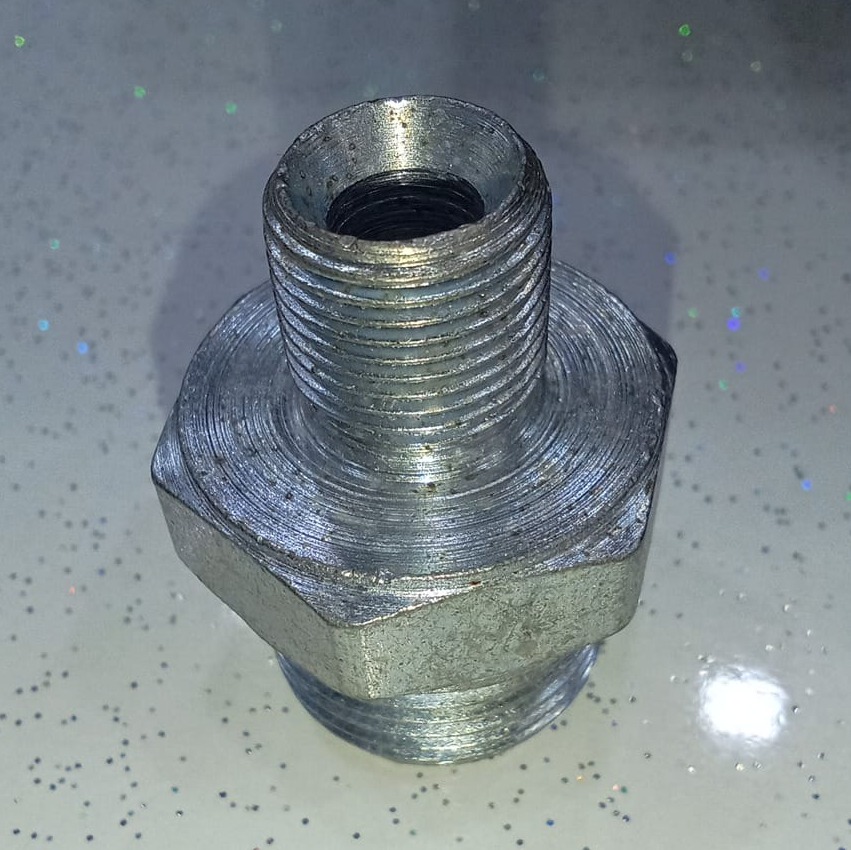
A hydraulic hex nipple is a type of fitting used to connect two hydraulic components, typically hoses or pipes, within a hydraulic system. The term "nipple" in this context refers to a short piece of pipe or tube with external threads on both ends, designed to join other fittings or hoses. The hexagonal shape of the nipple provides additional grip and torque, making it easier to install and secure.
Key Features:
Hexagonal Shape: Provides a larger surface area for tools to grip, facilitating easier installation and removal.
Threaded Ends: Equipped with male threads on both ends, allowing it to connect to female-threaded fittings or hoses.
Material: Typically made from durable materials such as steel, stainless steel, or brass, chosen for their strength and resistance to corrosion.
2. Applications of Hydraulic Hex Nipples
Hydraulic hex nipples are used in a variety of applications where a reliable and secure connection between hydraulic components is essential:
1. Hydraulic Systems:
Connectors: Used to link hoses, pipes, and other fittings in hydraulic systems, ensuring a seamless flow of hydraulic fluid.
Adapters: Serve as adapters to convert between different types or sizes of fittings.
2. Industrial Equipment:
Machinery: Installed in machinery and equipment to facilitate hydraulic fluid transfer, ensuring smooth operation.
Construction Equipment: Used in heavy-duty construction equipment such as excavators, cranes, and bulldozers.
3. Automotive and Aerospace:
Automotive: Employed in hydraulic brake systems, power steering systems, and other automotive hydraulic applications.
Aerospace: Used in aircraft hydraulic systems, where precision and reliability are critical.
3. Advantages of Hydraulic Hex Nipples
Hydraulic hex nipples offer several advantages that contribute to their widespread use in hydraulic systems:
1. Secure Connections:
Leak Prevention: The hexagonal design, combined with properly threaded connections, helps prevent leaks and ensures a tight seal.
High Pressure Tolerance: Capable of withstanding high pressures, making them suitable for demanding hydraulic applications.
2. Ease of Use:
Installation and Removal: The hex shape allows for easy tightening and loosening with standard tools, reducing the need for specialized equipment.
Versatility: Available in various sizes and materials, making them adaptable to different hydraulic systems and applications.
3. Durability:
Material Strength: Made from high-quality materials, hydraulic hex nipples are resistant to wear, corrosion, and other forms of damage.
Longevity: Designed for long-term use, reducing the frequency of replacements and maintenance.
4. Design Considerations
When selecting hydraulic hex nipples, several factors must be considered to ensure optimal performance:
1. Material Selection:
Steel: Commonly used for its strength and durability, but may require coatings to prevent rust.
Stainless Steel: Offers superior corrosion resistance, ideal for environments with high moisture or corrosive substances.
Brass: Provides good corrosion resistance and is often used in lower-pressure applications.
2. Size and Thread Compatibility:
Dimensions: Ensure that the hex nipple matches the size and thread specifications of the components it will connect.
Thread Type: Verify compatibility with the thread standards used in the hydraulic system (e.g., NPT, BSP).
3. Pressure Ratings:
Pressure Tolerance: Choose hex nipples rated for the operating pressures of the hydraulic system to prevent failure and ensure safety.
5. Maintenance and Inspection
Regular maintenance and inspection of hydraulic hex nipples are crucial to ensure their continued functionality:
**1. Visual Inspection: Check for signs of wear, corrosion, or damage that could compromise the connection.
**2. Leak Testing: Periodically test for leaks to ensure the integrity of the hydraulic system.
**3. Torque Check: Verify that the nipples are properly torqued to prevent loosening and potential leaks.
Conclusion
Hydraulic hex nipples are essential components in hydraulic systems, providing secure and reliable connections between various parts. Their hexagonal design enhances ease of use and installation, while their durable construction ensures long-term performance. By understanding their features, applications, and advantages, professionals can make informed decisions and maintain efficient hydraulic systems across a range.