
popup Waste Coupling Dealer in Delhi
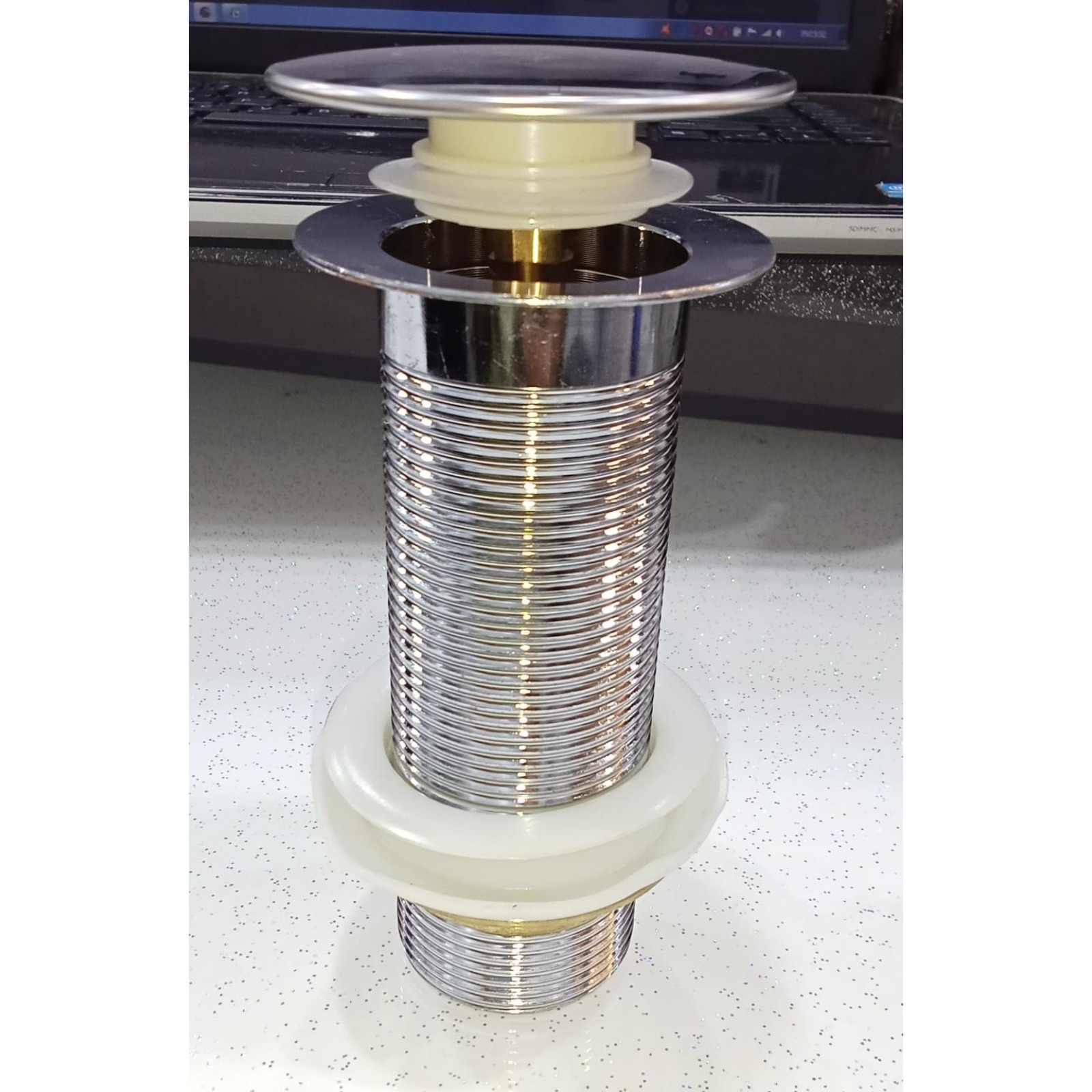
Popup Waste Coupling
A pop-up waste coupling is commonly used in sink or basin drain assemblies to manage the flow of water. Here's an overview of its key uses and benefits: **
1. Convenience and Functionality Effortless Operation: The pop-up mechanism allows you to easily open and close the drain with a lever or rod. This is particularly useful for managing water flow while washing dishes, hands, or face. Water Control: The ability to seal the drain helps in tasks like filling the sink with water for soaking or washing. Once the task is complete, you can open the drain to let the water flow out. **
2. Types of Use Bathroom Sinks: Ideal for washing hands, face, or brushing teeth. The pop-up waste coupling provides a simple way to fill the basin and then drain it. Kitchen Sinks: Useful for tasks like soaking pots and pans or filling the sink with water. The pop-up stopper can be used to hold water temporarily. Utility Sinks: In laundry or utility sinks, it helps manage water during tasks such as washing clothes or cleaning. **
3. Benefits Hygiene: It helps maintain hygiene by allowing you to easily control water flow, preventing potential messes or spills. Efficiency: Streamlines the process of filling and emptying the sink, saving time and effort compared to traditional plug-and-drain systems. Prevention of Overflows: Some pop-up waste couplings come with an overflow feature to prevent the sink from overflowing. *
4. Maintenance and Care Regular Cleaning: Keep the pop-up stopper clean to ensure smooth operation. Remove any debris or buildup that might obstruct the mechanism. Inspecting Components: Regularly check seals and gaskets for wear and tear. Replace any damaged parts to prevent leaks. Lubrication: Occasionally lubricate the moving parts with plumber’s grease to ensure the mechanism operates smoothly. **
5. Installation Easy Installation: Most pop-up waste couplings are designed for straightforward installation. They typically include a set of components that fit together and can be secured in place with minimal tools. Compatibility: Ensure that the pop-up waste coupling is compatible with the size and type of your sink or basin drain. **
6. Common Applications Residential Use: Ideal for household sinks in bathrooms, kitchens, and utility areas. Commercial Use: Sometimes used in commercial settings where sinks are frequently used, providing a reliable and convenient drainage solution.
Popup Waste Coupling
A pop-up waste coupling is commonly used in sink or basin drain assemblies to manage the flow of water. Here's an overview of its key uses and benefits: **
1. Convenience and Functionality Effortless Operation: The pop-up mechanism allows you to easily open and close the drain with a lever or rod. This is particularly useful for managing water flow while washing dishes, hands, or face. Water Control: The ability to seal the drain helps in tasks like filling the sink with water for soaking or washing. Once the task is complete, you can open the drain to let the water flow out. **
2. Types of Use Bathroom Sinks: Ideal for washing hands, face, or brushing teeth. The pop-up waste coupling provides a simple way to fill the basin and then drain it. Kitchen Sinks: Useful for tasks like soaking pots and pans or filling the sink with water. The pop-up stopper can be used to hold water temporarily. Utility Sinks: In laundry or utility sinks, it helps manage water during tasks such as washing clothes or cleaning. **
3. Benefits Hygiene: It helps maintain hygiene by allowing you to easily control water flow, preventing potential messes or spills. Efficiency: Streamlines the process of filling and emptying the sink, saving time and effort compared to traditional plug-and-drain systems. Prevention of Overflows: Some pop-up waste couplings come with an overflow feature to prevent the sink from overflowing. *
4. Maintenance and Care Regular Cleaning: Keep the pop-up stopper clean to ensure smooth operation. Remove any debris or buildup that might obstruct the mechanism. Inspecting Components: Regularly check seals and gaskets for wear and tear. Replace any damaged parts to prevent leaks. Lubrication: Occasionally lubricate the moving parts with plumber’s grease to ensure the mechanism operates smoothly. **
5. Installation Easy Installation: Most pop-up waste couplings are designed for straightforward installation. They typically include a set of components that fit together and can be secured in place with minimal tools. Compatibility: Ensure that the pop-up waste coupling is compatible with the size and type of your sink or basin drain. **
6. Common Applications Residential Use: Ideal for household sinks in bathrooms, kitchens, and utility areas. Commercial Use: Sometimes used in commercial settings where sinks are frequently used, providing a reliable and convenient drainage solution.
- 1. Components of a POPUP Waste Coupling
Pop-Up Stopper: The plug that seals the drain opening.
Lift Rod: A lever or rod used to raise and lower the stopper.
Pivot Rod: Connects to the lift rod and controls the movement of the stopper.
Ball Rod: Located inside the drain assembly, helps control the movement of the stopper.
Gaskets and Seals: Provide a watertight connection and prevent leaks.
- 2. Installation Process
Preparation: Ensure the sink or basin is clean and free of debris. You may need to remove the old drain assembly if replacing.
Assemble Parts: Follow the manufacturer’s instructions to assemble the pop-up waste coupling components.
Install the Drain: Insert the pop-up assembly into the drain hole and secure it with a gasket and nut from underneath the sink.
Connect Rods: Attach the lift rod to the pivot rod and ensure all connections are tight and aligned.
Test for Leaks: Fill the sink with water and check for any leaks around the drain and pop-up mechanism.
- 3. Common Issues and Troubleshooting Leakage: Often due to improper installation or worn-out seals. Tighten connections and replace gaskets if needed. Sticking Stopper: Caused by debris or mineral buildup. Clean the stopper and the drain assembly. Difficulty in Operation: The lift rod or pivot rod might be misaligned. Adjust and ensure all parts are functioning smoothly
- . 4. Maintenance Tips Regular Cleaning: Remove any debris or buildup from the pop-up stopper and the drain to ensure smooth operation. Inspect Seals and Gaskets: Periodically check for wear and tear and replace them as necessary to prevent leaks. Lubrication: Apply a small amount of plumber’s grease to the moving parts to keep them functioning smoothly
- .
5. Types and Variations
Standard Pop-Up Waste Coupling: Commonly used in residential sinks.
Push-Pull Mechanism: A type where the stopper is activated by pushing or pulling rather than a lever.
Overflow Drain: Some pop-up systems include an overflow feature to prevent overflows.
- 6. Choosing the Right Pop-Up Waste Coupling Compatibility: Ensure the coupling fits the size and type of your sink or basin drain. Material: Choose a durable material that suits your plumbing needs and aesthetic preferences. Ease of Use: Consider how easy the pop-up mechanism is to operate and maintain. . Replacement If a pop-up waste coupling is damaged beyond repair, replacing it with a new one involves reversing the installation process. Ensure all components are compatible with your existing setup.
# Best Dealer In India
#Best Popup Waste Couping Dealer
# Best Quality & Rate
#Best Company JBTC
#Best Popup Waste Couping Dealer
# Best Quality & Rate
#Best Company JBTC