Vertical Check Valve
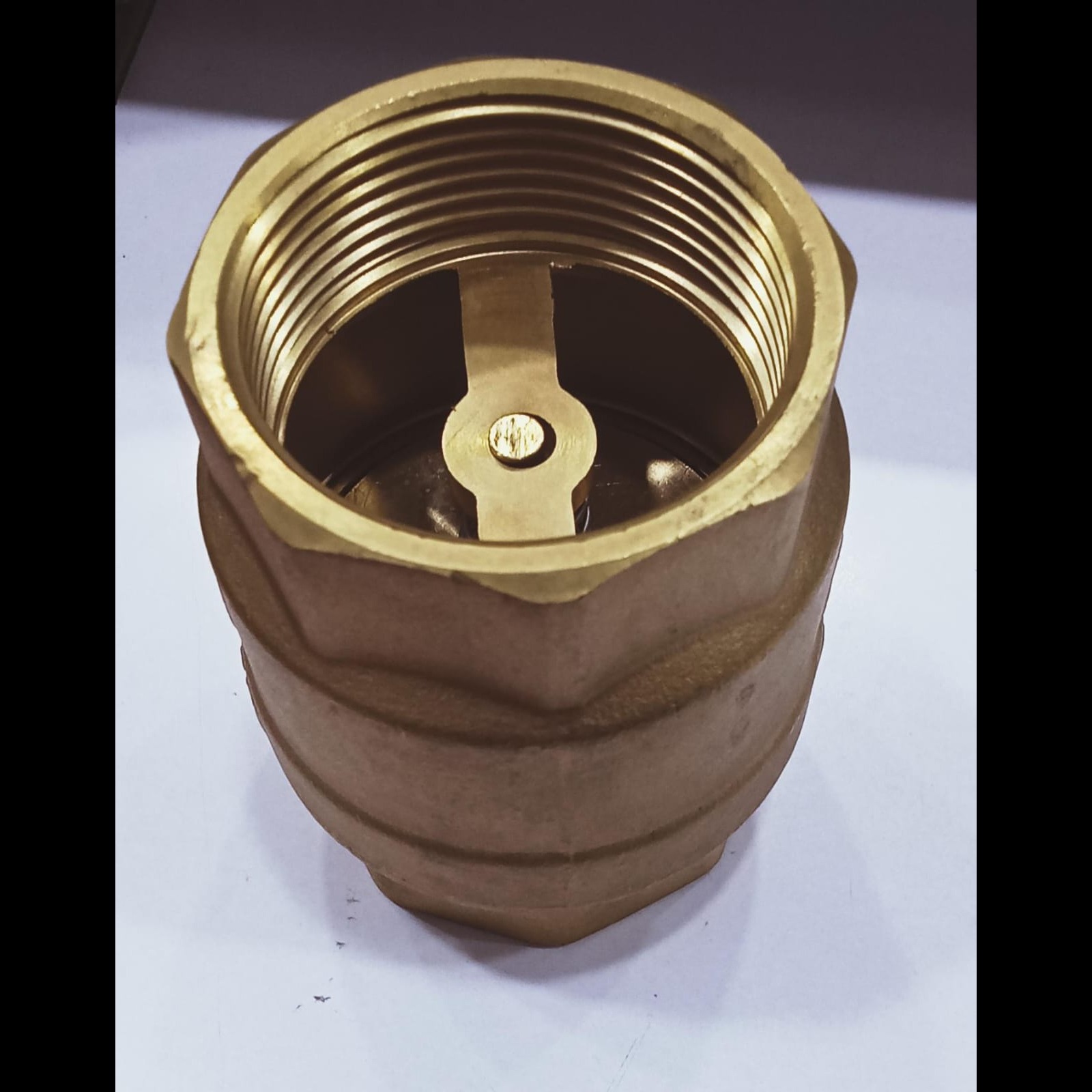
A Vertical Check Valve is a specialized type of non-return valve designed to allow fluid to flow in one direction while preventing reverse flow. Installed in vertical pipelines, this valve is widely used in industries where the fluid flow direction is upward. Its simple yet effective design ensures reliability, durability, and low maintenance, making it an essential component in various fluid handling systems.
The vertical check valve operates automatically without the need for manual assistance or external power. It typically consists of a disc or ball mechanism that opens when the fluid pressure pushes upward, allowing flow. When the flow stops or reverses, gravity and back pressure close the valve, preventing leakage and backflow. This self-acting operation makes it highly efficient and safe for continuous usage.
One of the major advantages of the vertical check valve is its space-saving design, as it can be installed in vertical pipelines where horizontal installation is not feasible. It is especially beneficial in pumping systems, water treatment plants, chemical processing, and HVAC systems. These valves are commonly manufactured using materials such as stainless steel, cast iron, brass, or PVC, ensuring compatibility with a wide range of fluids including water, steam, oil, and chemicals.
In addition to preventing backflow, vertical check valves also protect pumps, compressors, and other equipment from potential damage caused by reverse flow. Their sturdy construction, minimal pressure drop, and long service life make them a cost-effective solution for industrial and commercial applications.
Overall, the Vertical Check Valve is an essential flow control device that ensures system safety, enhances efficiency, and reduces operational downtime. With its versatility, automatic operation, and durable design, it remains a reliable choice for industries requiring vertical pipeline installations.

 Chat with us
 Chat with us